Regulation (EU) 2025/40 — the Packaging and Packaging Waste Regulation, better known as PPWR — came into force on 11 February 2025 and has applied across the EU since 12 August 2026. It replaces Directive 94/62/EC and, unlike a directive, it applies directly in every Member State without needing national transposition. Any foodservice or retail brand shipping packaged goods into the EU is now inside its scope.
The rules apply in phases, and the first phase is already live:
The Commission published implementation guidance in March 2026 to help manufacturers, importers and national authorities apply the new requirements.
Most of the commercially significant obligations land in 2030, which means sourcing decisions made this year and next will determine compliance:
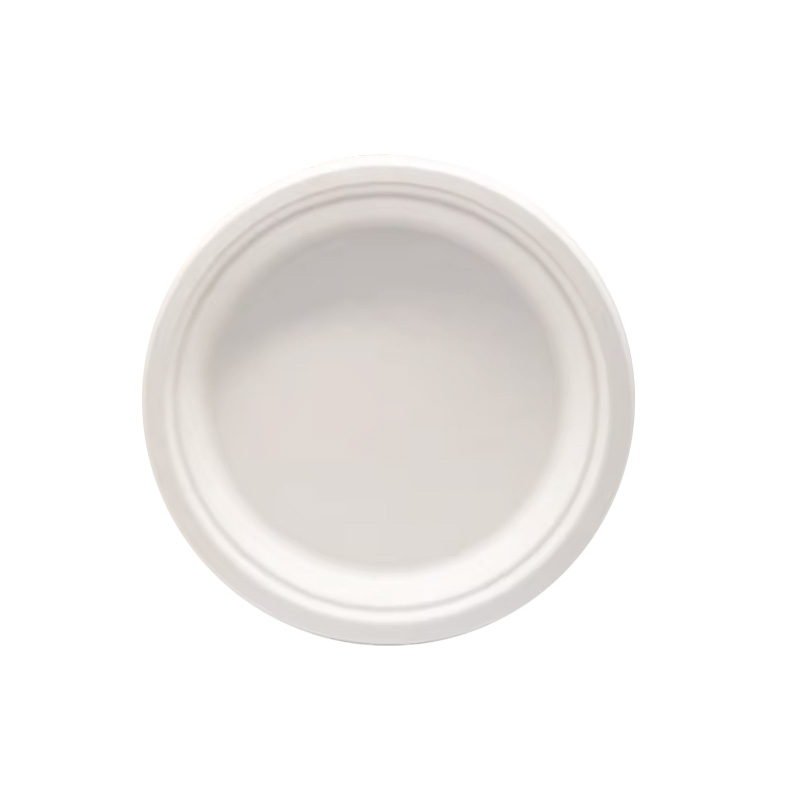
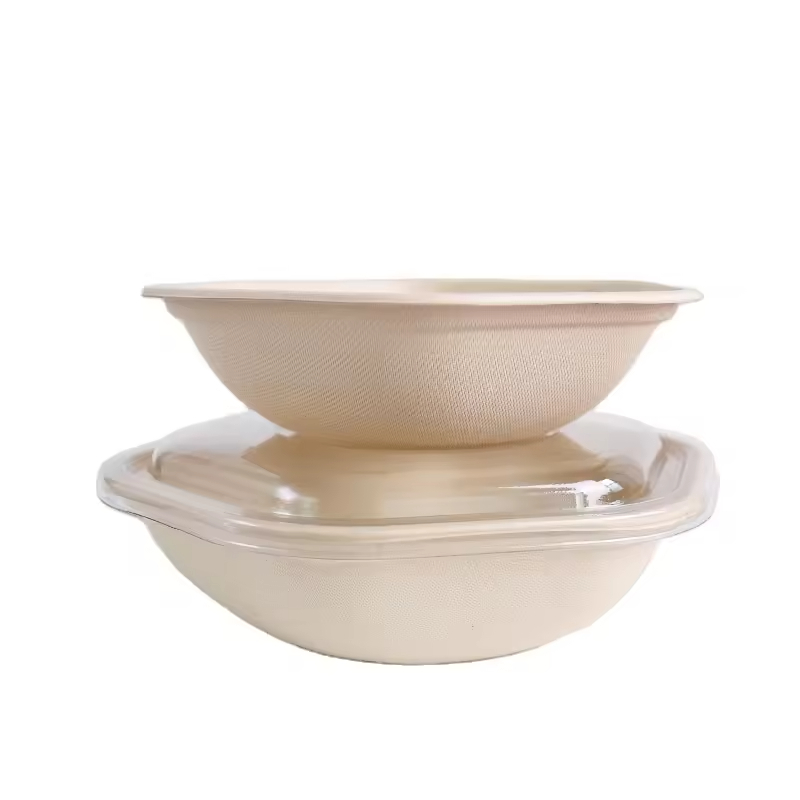
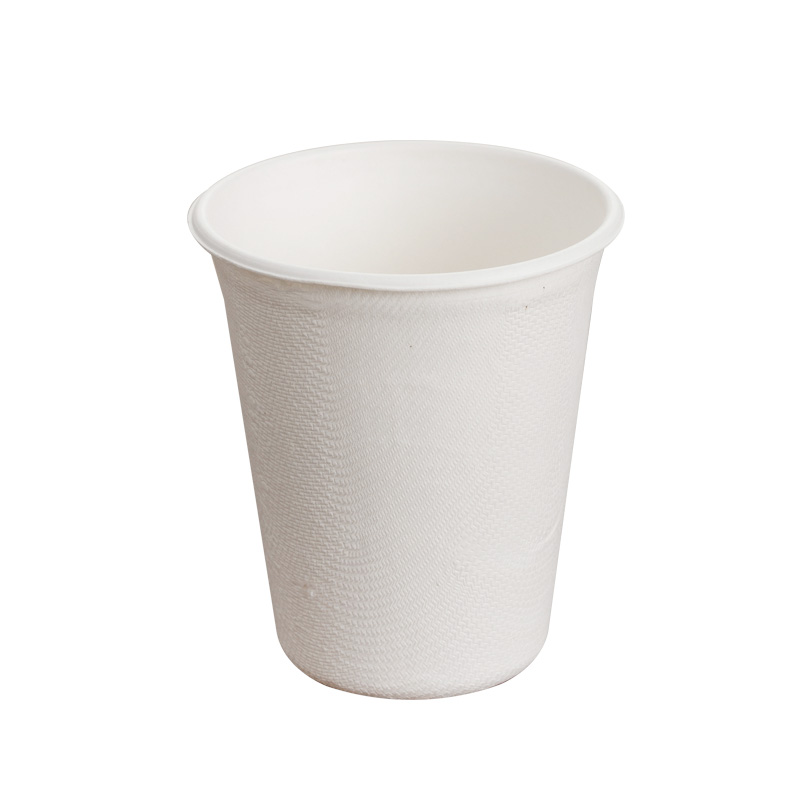
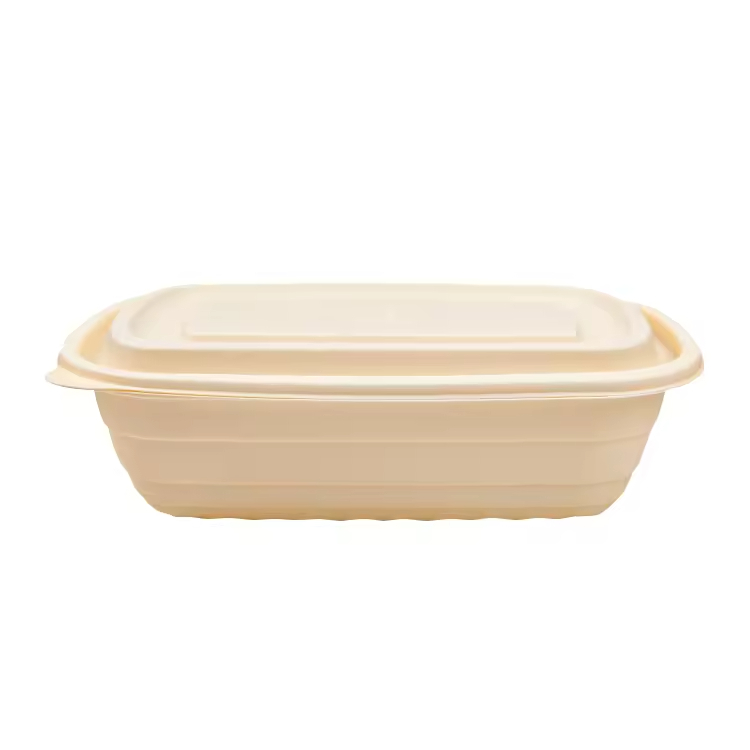
The PFAS restriction is the provision with the most immediate effect on disposable foodservice items, because grease and water resistance has traditionally been achieved with fluorinated coatings. Moulded fibre tableware made from sugarcane bagasse is produced without those coatings, which makes it a natural starting point for brands reviewing their food-contact ranges.
Two points are worth noting. First, "recyclable" and "compostable" are separate questions under PPWR: compostability is only required for specific formats listed in the Regulation, and industrially compostable items must meet the applicable harmonised standard. Second, recyclability is a market-access condition, so fibre formats should be assessed against the design-for-recycling criteria once the delegated act is adopted in 2028 — not assumed to comply.
For importers and foodservice operators, the practical work is straightforward even if the detail is not: audit your current packaging portfolio against the PFAS thresholds today, confirm which formats will still be permitted after 2030, and ask suppliers for documentation covering material composition and recyclability. Compliance evidence, not marketing claims, is what the Regulation requires.



© 2026 Wuxitopteam Co., Ltd. All Right Reserved. IPv6 SUPORTADO POR REDE